I get it. You’re a business and you’re trying to save money by doing your own web design. Consider this: is that really the best use of your time and resources?
Website design and development is a complex and specialized field, and unless you’re a website expert yourself, chances are you’re not going to create a website that looks or performs as well as one designed by an experienced professional. Hiring a skilled marketing agency is well worth the cost. The results and support you receive will be better than what you would get with a solo attempt.
If you still think you can tackle a website alone, consider the hurdles that you’ll be up against.
What Will You Do with a Blank Slate?
An empty canvas can be scarier than it looks. It can be exciting to get your hands on a new program or software for web development, but if you loaded it up, would you know what to do with it? If you’re not already a web developer, it takes a lot of time to learn HTML or any other coding language necessary to make a website run.
The quick solution might seem like using a program with a drag and drop website builder, like Wix, that largely eliminates the need to know how to code entirely. It might seem simple on the surface, but the same problem remains. It’s still a brand-new software with a learning curve that will take time to tackle.
A marketing agency already has the knowledge on how to tackle these programs. They’ve mastered the curve and know how to get the most out of the software they use.
Why Have a Website That’s Not Made for You?
At this point you might be thinking well this drag and drop website creator comes with templates. I can just fill in the blanks and that will take care of the time issue that you just mentioned. Pre-made templates can shave some time for sure, but it’s worth considering who else is using them. You want a website with a design that’s unique to your brand, not a website design that’s used by you, the pet groomers down the street, the barbecue restaurant across town, and even possibly, your direct competitor.
You Don’t Know What You Don’t Know
SEO, Alt-tags, snippets, schema data…I’ll bet the drag and drop program didn’t mention these! Search Engine Optimization (SEO) is essential for any business today. It helps websites like Google tag your website as relevant in your field and display it toward the top of the search results. A marketing agency will know how to navigate the algorithm to get the search engine recognition you deserve. This is a simple but crucial step that is easy to overlook when creating a website alone.
What Will Happen When Something Breaks?
It’s inevitable, something will always break on a website. Maybe one morning you wake up and your embedded videos are suddenly not playing, or orders placed on your shopping cart aren’t processing. What will you do? Plugins and programs used to create websites are always updating and sometimes they can change behaviors in ways that not even a marketing agency can predict. What a marketing agency will be able to do is have the professional know how to examine the issue and make the changes necessary to put things back the way they were. This is where a website maintenance service comes in. Website maintenance helps keep your website constantly up to date, running smoothly and securely.
If you only have a base knowledge of website development, it can be difficult to even identify these issues, let alone fix them.
The details of building a website can get far more involved and intricate than this, but for starters these are the big picture concepts to consider when deciding how your business should handle designing a website.
If all these elements are starting to seem overwhelming, reach out to us to discuss which website solutions are best for you! Hiring an experienced marketing agency like us benefits you because you know they can build a functional website that looks great, drives traffic, and captures leads. Prime Concepts provides a great user experience without getting seduced by fancy features that may look cool but end up getting in the way of producing real results.
Contact Prime Concepts for a free marketing critique or to discuss your marketing needs.
Prime Concepts is a creative marketing agency that helps you find, attract, and keep customers through innovative solutions to your most pressing challenges.
For the next three months, I want you to concentrate on increasing your organic social media marketing reach. Why? Because quality content accessed in an organic way increases your credibility with your audience.
If you have been working on your brand marketing strategy and getting more serious about creating content for YouTube, Facebook, Snapchat, Instagram, etc., know that organic reach is likely the most accessible form of marketing for your small business.
That doesn’t mean you need to spend bags of money to get big results.
1. The Right Place
Focusing on the material you put out on Facebook, Twitter, Instagram, Snapchat, YouTube, LinkedIn, TikTok, and whatever else has the market’s interest at the time is a significant factor if you are a business or organization who wants to be heard and noticed. The first step is being in the right “place.”
Great social media content is critical for marketing to anyone under the age of 40 right now. This age group learns about your company for the first time by doing one of two things: 1) they search Google, or 2) they find it on social media. Smash those clicks through the roof by focusing on quality material on the most essential social networks.
2. The Right Words
“Subtle Amplification” means that if you concentrate on utilizing the right SEO (search engine optimization, i.e. keywords) at the right time, consistently, you will start being noticed. Using hashtags is an extremely organic approach to improving discoverability and creating amplification for your content, whether you’re a car dealership, an artist, a motivational speaker, or a Fortune 500 firm. If you do happen to have paid media dollars, spending as little as $100 per week on amplification of your YouTube and Facebook content can help that content go viral. The important part is using the right keywords at the right time.
But here’s the thing: no amount of paid advertising will help you turn lousy content into good content. It’s the same reason that no amount of venture capital money will save a terrible product. The long-term success of increasing your brand’s marketing strategy relies on creating strong content, a lot of it, and putting it in the right places with the right words.
No amount of paid advertising is going to turn bad content into good content.
Businesses have been dismissing organic content over the last few years due to the uptick in sponsored advertising. Yes, paid social media has a lot of potential and can be a good deal on advertising (vs. traditional advertising). However, the idea that social media only works if you spend money can result in a lack of hustle and no understanding that outstanding material, especially when amplified in subtle ways, can be extremely successful.
If you’re a small business, try focusing your time, money, and effort on developing excellent content (a lot of it) instead of the other way around. Too many small to medium businesses waste $20,000 a year on PR and paid media when they could have spent a fraction of that on organic social content and a small amplification budget to achieve more valuable results.
3. The Right Approach
This is why organic reach is so important: the feeling a potential customer gets when visiting your website without clicking an ad gives the impression of a more qualified lead and perhaps results in a more valuable and loyal customer.
There are a variety of sponsored strategies (Facebook Ads, Instagram influencer, YouTube pre-rolls, Snapchat ads) that may help you increase your following, but getting serious about the material you put out organically on social media is crucial. Why? Because it is the internet’s most natural and present state. As the supply and demand for paid media gets increasingly crowded, companies who create outstanding content have the (affordable) opportunity to expand in a valuable way.
Prime Concepts Group is a creative marketing agency that helps you find, attract, and keep customers through innovative solutions to your most pressing challenges. We help you create outstanding content for your business. If you discovered this page, it means you have some entrepreneurial blood in your veins. Subscribe to get our articles delivered straight to your inbox and unleash your inner entrepreneur.
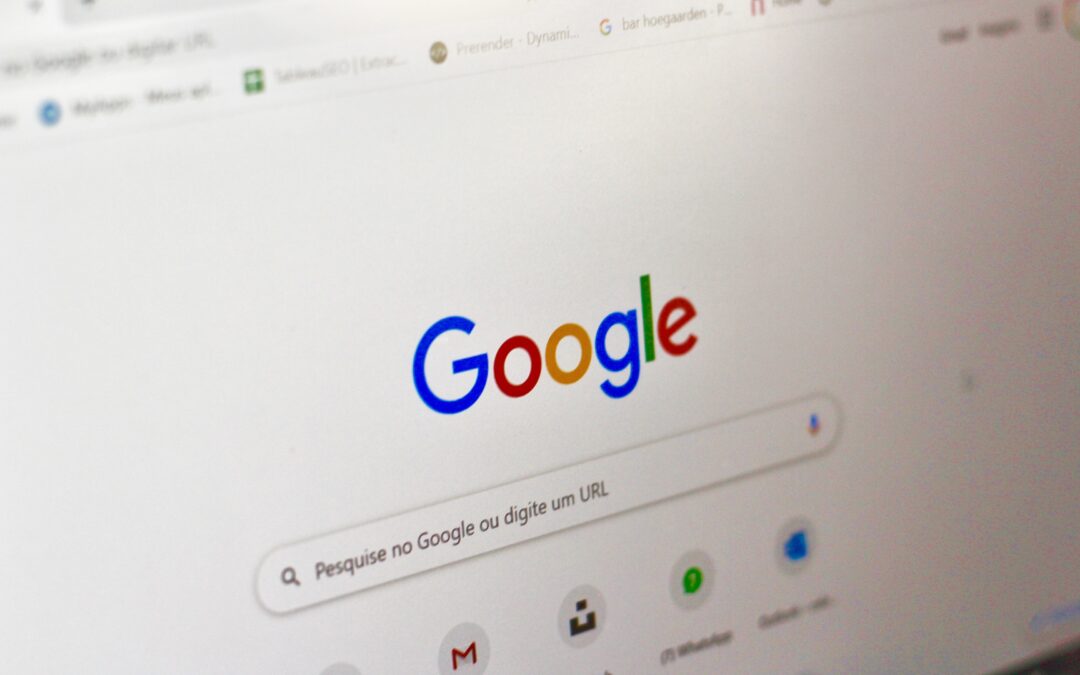
How do you anticipate your client’s needs even if they don’t know what they need? Google helps you figure out what your customers (and potential customers) want with one ridiculously simple trick, and you can use it whenever you like. It doesn’t involve data collection, analysis, monitoring, visualization, reporting or integration with other applications, but it’s the one thing Google does best: the search feature.
Stay in Touch with Your Customers’ Needs
Constantly promoting a general overview of your company’s products and services on social media without specifically answering their questions can turn off customers and prospects. They want answers to their problems, not “everyone’s” problems. Instead of generalizing, do a quick Google search to determine what questions people frequently ask related to your industry – and then respond to those inquiries with your business solutions.
Here’s the simple method in five easy steps:
Go to Google.com, then type a keyword or phrase into the search box.
Don’t hit Enter.
Look at the dropdown list of auto-complete questions that appears below the search box.
Write down that list of questions.
Now you can write a blog post, make a quick video, or send a newsletter highlighting the services you offer that meet those specific needs.
It’s that simple! Let’s look at some examples.
Search for “drawing ideas” or “learn how to draw” if you’re selling art lessons. Now look at the dropdown list of auto-complete phrases that appears under the search box.
You’ll see a list of questions people have asked previously that include your keywords, such as:
Learn how to draw in 30 days
Learn how to draw for beginners
Which pencil is best for sketching?
How to find ideas for drawings
Now that you have the questions customers are asking most frequently, you can tailor a blog post, social media post, or short video with some quick drawing tips or your professional opinion on the best pencil to use for drawing, then wrap it up with the services or classes you provide that help people learn how to draw. Direct them to your answers to their questions.
If you work as a graphic designer, try searching for “business logo” or “business card design” in the Google search box.
You’ll see that people look for things like:
What is the significance of graphic design in advertising?
What are some of the advantages of good design?
What are the five qualities of a good logo?
Now you can create that blog post, social media post, or short video lesson tailored specifically to these questions, including how your customers can contact you for logo or business card design. You’re the expert, answering the most frequently asked questions from potential consumers of your product or business.
See how easy it is, regardless of the type of business you own?
For even better returns on your search, start your query with words like, How, What, Where, or Why because these are the words most people use to start their search because they’re asking a question. You can provide the answer to that question! You can also search for frequently asked questions you’ve received in the past from your customers, as well as some difficulties you’ve had in answering them, when deciding what keywords or phrases to use in your search. Your customers will think you’re a mind reader.
How to use this trick to get in touch with customers who need your solutions:
Posts on social media
FAQ pages in emails
Blog posts
Videos or Infographics
Google ads or Facebook ads
Radio or TV commercials
Did you try out this simple method for learning what customers want? Tell us in the comments how it worked for you!
Prime Concepts Group is a creative marketing agency that helps you find, attract, and keep customers through innovative solutions to your most pressing challenges.
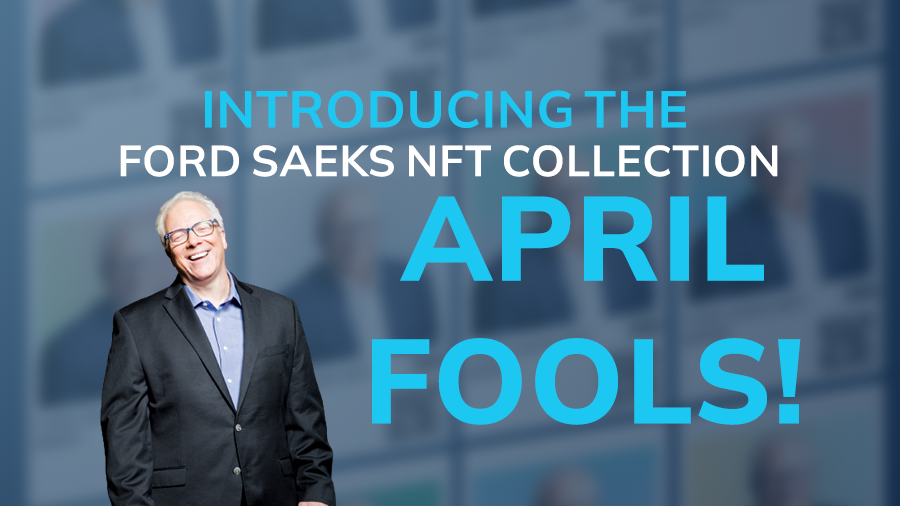
There’s a chance you’ve seen a video floating around about the brand-new Ford Saeks NFT Collection. It’s a neat concept for sure, but this video is just a spoof, a solid entry for an April Fools post. Why did we dedicate time to making a fake video for a product we don’t sell? To stay relevant and show customers that we are real people who know how to connect with them.
You might think it isn’t worth company time or effort to have your brand appear fun and friendly on social media, but it absolutely is. Customers love to see a brand with personality. It helps them connect to you and feel more comfortable buying your product because they feel like they’re buying from a real person and not just a cold corporate cookie cutter page. An easy way to breathe some life into your page is to just be trendy.
Here are a few things to consider when creating trendy content.
1) Fun Posts Will Strengthen Your Brand
At the end of our April Fools video, we direct the viewers to a website link (profitrichresults.com/nft). This link leads to a page on our website that reveals the joke, but we took advantage of the opportunity to connect with them. Now that the viewer is on our site and encouraged to stick around, we included an opt-in for a free marketing critique.
Just because the video was fun doesn’t mean we left out the call to action. We tied it back to our normal content and get potential customers to visit our site and have fun doing it.
2) Inspiration For Fun Content is Everywhere
If you’re not used to making content that is outside of the normal scope of your brand, it may seem daunting to find ideas that could lead to a trendy post. Pop culture references are a great place to start. Things that are happening right now in the world are always popular topics of discussion. This is a good opportunity to get your whole team on board to see what ideas they have or which popular culture trends they are familiar with.
Calendar dates are also worth keeping in mind. Is there a holiday or a national “something” day coming up? Those are ready made topics to center your more fun posts around. It’s just like how we used April Fools’ Day as an excuse to get silly!
3) The Basics Still Apply
Don’t forget to factor in which social media platforms you’re posting on. They each have their own nuances and it’s important to consider things such as:
Who is the primary audience for each platform?
What is the best photo or video size?
Do they have restrictions on video length?
Making sure your post is optimized for the platform you’re using is always a must.
Social media is a powerful tool for businesses to connect with customers and keep their brand top of mind. By keeping your social media channels up to date with the latest trends, you can ensure that your company stays in front of potential and current customers.
Need some creative inspiration? ContactPrime Concepts Groupfor help making your social media relatable and fun!
Prime Concepts Groupis a creative marketing agency that helps you find, attract, and keep customers through innovative solutions to your most pressing challenges. Claim your free consultation to find out how PCG can make your social media more relatable and fun.
To stay competitive in the fast-changing world of business, companies need to embrace new technologies like artificial intelligence, machine learning, and data analytics for their marketing activities.
Marketing AI Opportunities
Marketing AI is the new frontier for marketers who want to understand their customer base. Data-driven technology has allowed companies like Google and Facebook access more information than ever before, giving them an edge when it comes to understanding people; but there are also opportunities for you and your business to benefit from using machine learning to improve the customer journey.
It’s important to understand that AI is not a novel concept. It has been around for decades and started to become increasingly prevalent in everyday society only very recently. AI, or Artificial Intelligence, is the term used to describe computer systems that are able to replicate or mimic human intelligence functions (such as speech recognition, decision-making based on past experiences, etc.). AI can be explained as any technology capable of performing tasks that would otherwise require human intelligence levels.
The rapid development of AI comes at a time when marketing strategies across industries are shifting dramatically. Businesses looking for new ways to increase their market share are increasingly turning towards AI as a means of achieving this goal.
AI is not only the most efficient and productive technology available, but it also provides a range of new opportunities for marketers. AI is able to process information at speeds that far exceed human capacity, meaning AI-powered marketing can take in vast amounts of data and make predictions or analyze trends with unprecedented efficiency.
AI will allow companies across industries to gain an advantage over their competition by preparing personalized offers before they even know there’s a need; for example, AI could automatically perform price adjustments based on stock levels and supply and demand.
Adopting AI into your marketing strategy allows you to: – Increase sales conversions: AI lets marketers gain insight into customer behavior and develop targeted campaigns tailored precisely to individual needs, resulting in increased conversion rates.
AI also gives you a better idea of what people are most interested in among your products and services, allowing you to adapt offers accordingly.
The AI Advantage
As AI becomes increasingly popular throughout a range of industries, it is important to understand how AI can help marketing significantly improve efficiency and productivity. AI is now being successfully used for a number of marketing activities that use data analytics as the basis for decision-making.
Improve Customer Service:
AI-powered chatbots can provide quick, convenient self-service which frees up time for human agents to focus their efforts on more difficult requests from customers. I find myself using the chat features of a website more often than even calling or filling out a contact form. My CRM is Zoho, and it comes with a chatbot option, but there are several aftermarket plugins you can add to your website, eCommerce, and social media marketing too.
Here are a few popular CHATBOT options we have experience within our marketing agency, not in any ranking order:
ManyChat – Instagram Direct Messages, Facebook Messenger, and SMS
Building Better Marketing Campaigns
AI can help businesses make informed decisions about what their customers really want. For example, if a business uses customer relationship management (CRM) software and has AI for marketing campaigns it will be able to see how people are responding even before they send out an email newsletter or post on social media channels so the company knows where there’s room for improvement when designing future messages.
Predictive Analytics
Being able to predict future trends has been an invaluable tool for businesses since the beginning of time; but now AI has the power to go beyond educated guesses, AI can use data-driven observations of current trends to accurately forecast future developments. AI analytics are able to identify patterns in seemingly unrelated information and draw conclusions on the basis of these patterns. This allows AI-powered marketing teams to make better business decisions, enabling them to prepare for unforeseen events while optimizing productivity along the way.
AI Marketing Campaign Management
AI takes aspects of marketing management like planning, scheduling, forecasting, budgeting, and reporting & measurement, streamlining each process into a streamlined workflow that manages everything at once. AI-powered campaign management software is capable of identifying opportunities for campaigns across channels while also monitoring their effectiveness over time. AI tools will allow you to get more out of every dollar spent on marketing activities by ensuring that you are always reaching the right audience with the right message; AI systems will even be able to make suggestions for optimization based on changes in customer behavior.
This level of AI-powered automation allows companies to streamline their marketing efforts, saving time and money while also improving ROI through more personalized offers and engagements that connect with customers on an individual basis. AI Marketing Automation AI marketing automation takes AI campaign management tools one step further by allowing marketers to strategically build audiences for future engagements.
Developing strong buyer personas is crucial for developing relevant messaging strategies that can be used within marketing campaigns. AI solutions not only create these valuable buyer personas but they continue to monitor how buyers interact with your company after the initial engagement, using this information to adjust future AI campaign management tools to maximize success. AI-powered marketing automation analyzes buyer behavior and scores prospects on their likelihood of converting into a sale, then it generates personalized outreach plans for each based on the AI program’s prediction. Marketing executives can use AI solutions to automate these interactions with AI systems building engagement sequences automatically in real-time.
Customer Intelligence
AI has made it possible for marketers to connect with customers in a more targeted and effective way by using AI-powered customer intelligence tools that collect and analyze data from multiple sources simultaneously, providing valuable insights that inform all aspects of marketing strategy including content, channel planning, and target audience identification. AI software connects enterprise data across internal and external networks to provide businesses instant access to information about their target markets.
In Summary:
The potential AI Marketing applications are endless: retargeting campaigns based on product engagement rates, chatbots for engagement, or sending personalized offers after visiting certain pages within online catalogs — artificial intelligence will become, if it’s not already, an integral part of your marketing arsenal. While smaller companies may be behind the curve for leveraging these new technologies, they will quickly become more important for you to gain a competitive advantage.

 Branding
 Strategic Marketing
 Creative Concepts
 Web Services
 AI Services
 Speaking & Consulting
 Website Maintenance
 About
About Careers
 Blog
Blog Tools We Suggest
 Business Growth Newsletter
 10 Tips to Transform Your Marketing